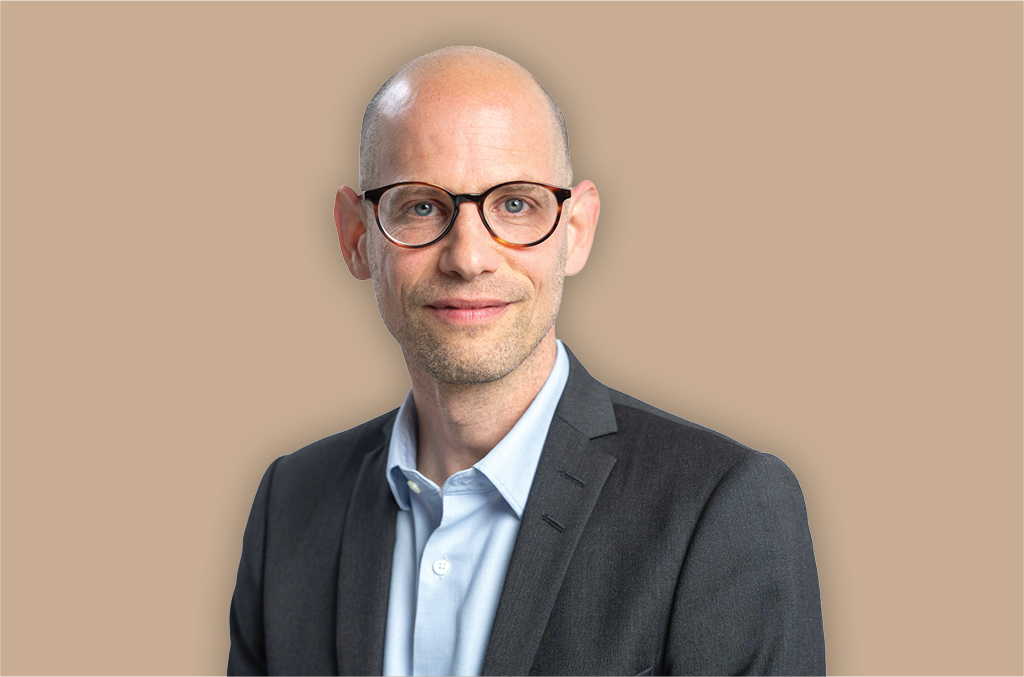
Giancarlo Marcone Flores
Academic Director, Department of Humanities, Arts and Social Sciences, Universidad de Ingeniería y Tecnología (UTEC), Peru
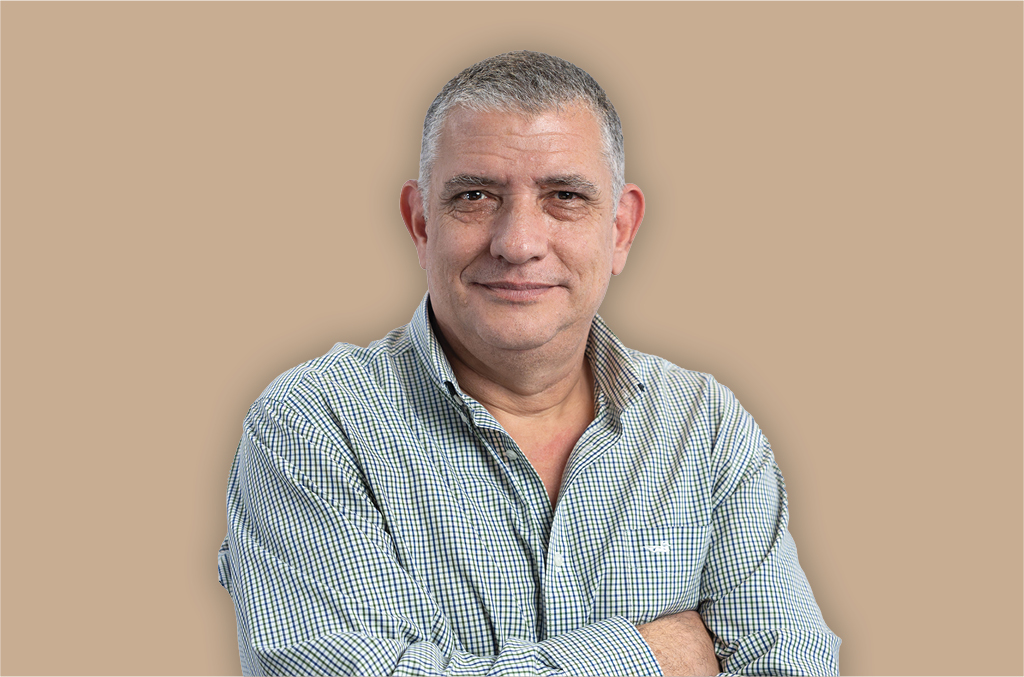
Giancarlo Marcone Flores
Academic Director, Department of Humanities, Arts and Social Sciences, Universidad de Ingeniería y Tecnología (UTEC), Peru
Giancarlo Marcone Flores is an archaeologist whose research focuses on human settlements and long-term occupation patterns along the central coast of Peru.
Marcone’s work revolves around three main areas: late pre-Hispanic interactions between political and domestic economies at El Guarco/Cerro Azul, examining how multiethnic intermediate groups navigated diversity and climate change during the Inca expansion; human relationships with the Lomas ecosystem (fog oases), integrating archaeological, geomorphological, environmental, and social data; and the continuity and transformation of infrastructure, particularly how the Inca road system has influenced modern roads as a result of historical and ongoing negotiations with local communities.
He currently serves as the Academic Director of Humanities, Arts, and Social Sciences, as well as the Director of the Office of University Sustainability at the Universidad de Ingeniería y Tecnología (UTEC) in Lima, Peru. He holds a Ph.D. and an M.A. in Anthropology, specializing in Archaeology, from the University of Pittsburgh, and a Bachelor’s degree from the Pontificia Universidad Católica del Perú.
In addition to his scholarly work, Marcone promotes participatory heritage management among non-Indigenous but marginalized communities in the region. As the Director of Humanities, he advocates for interdisciplinary collaboration and the integration of Humanities, Arts, and Social Sciences (HASS) with STEM disciplines.
Between 2013 and 2018, Marcone served as the General Coordinator of the Qhapaq Ñan Project at Peru’s Ministry of Culture, to later be named Director General of Museums (2018 to 2019). He also managed the Pachacamac Site Museum (2000 to 2003).
Marcone has been awarded grants and fellowships from the University of Pittsburgh, the Howard Heinz Endowment for Latin American Archaeology, the National Science Foundation, and Dumbarton Oaks (affiliated with Harvard University).