Matthew Champion
Associate Professor of History, University of Melbourne
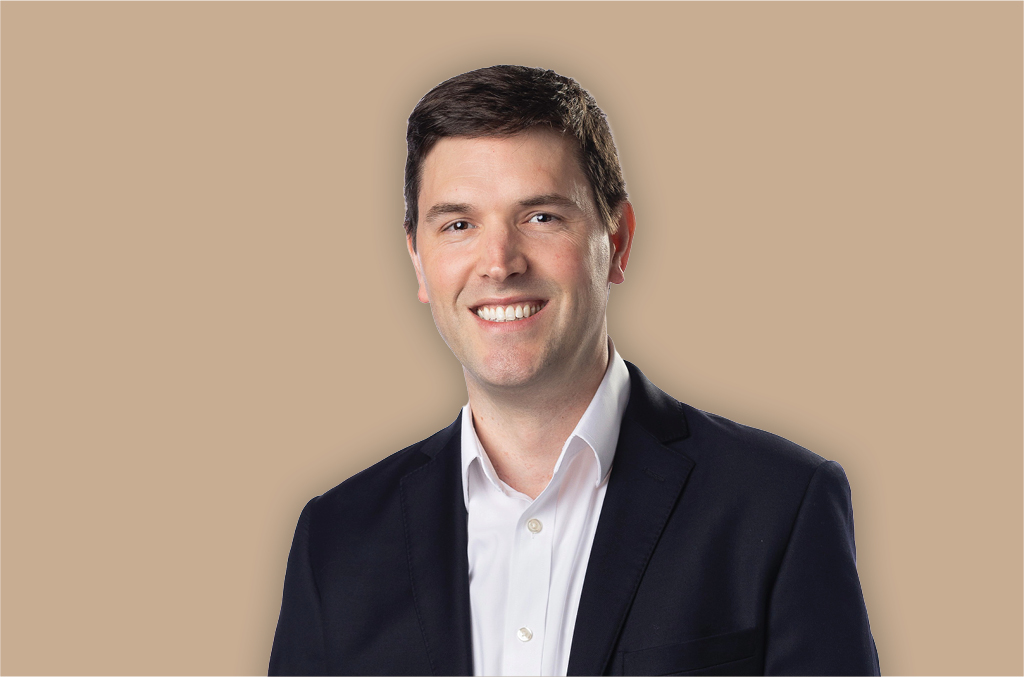
Matthew Champion
Associate Professor of History, University of Melbourne
Matthew Champion is a historian of medieval and early modern societies, whose work traces the way people experienced, perceived and structured time. His work explores how sounds and music, objects and images have shaped temporal horizons, avoiding simplistic narratives to tell a complex and varied story about the human experience of time. He is currently an associate professor in History at the University of Melbourne.
He is an active performer and interpreter of early music and is also the founding director of the research-led polyphony collective Cantus Temporum – an Australian and Europe-based group of performers specializing in medieval and early modern music, often focusing on the music of early mechanical clocks. The ensemble explores historical connections between music, technology, and time.
Champion’s research has made significant interventions in the history of premodern perceptions and experiences of time. His work stresses the need for nuanced local, global, comparative, emotional, material, and sensory histories of temporalities, with a particular emphasis on how images, objects, sounds and music can enrich our understanding of past societies.
He is the author of The Fullness of Time: Temporalities of the Fifteenth-Century Low Countries (Chicago UP), winner of the 2018 Gladstone Prize from the Royal Historical Society. He has held posts in Cambridge, London and Melbourne, and fellowships at the Warburg Institute, the Centre for Renaissance Studies at the University of Warwick and the Newberry Library, and the ARC Centre of Excellence for the History of Emotions.
He is currently a chief investigator on two Australian Research Council grants: “Albrecht Dürer’s Material World” – a collaboration with colleagues in Melbourne, Manchester and Heidelberg – and “The History of The Hourglass: Temporalities, Material Culture and Science”, with colleagues at Manchester and the Germanisches Nationalmuseum, Nuremberg.