Anti-Chinese Violence and Histories of Native American Treaties Win Bancroft Prize
Anti-Chinese Violence and Histories of Native American Treaties Win Bancroft Prize
A study of the financial aspects of treaty relationships between Native nations and the United States and a sweeping history of legal discrimination against Chinese immigrants are the winners of this year’s Bancroft Prize, one of the most prestigious honors for scholars of American history.
Emilie Connolly’s “Vested Interests: Trusteeship and Native Dispossession in the United States,” published by Princeton University Press, examines the financial aspects of many U.S. government treaties with tribal nations. Rather than purchasing Native land outright, these arrangements kept the bulk of payment in trust, with future payments dependent on continued Native compliance.
In its prize announcement, the jury noted that accounts of westward expansion usually focus on violence and forced removal. “But Connolly reveals a quieter but no less devastating set of Native encounters with U.S. power,” the jury said, charting “the rise of a ‘fiduciary colonialism’ that led to the systematic expropriation of Native wealth over generations.”
Speaking in January on a podcast by the New Books Network, Connolly, an assistant professor of history at Brandeis University, acknowledged the topic of treaty finances may seem dull. “‘This isn’t actually boring’ is a constant refrain for me,” she said, laughing.
But the arrangements, which started in the 1810s, vividly illuminate not just government policy but the ways Native worked to preserve something of their sovereignty and power. “Native people had their own understandings of trusteeship, and reasons for embracing it,” Connolly said.
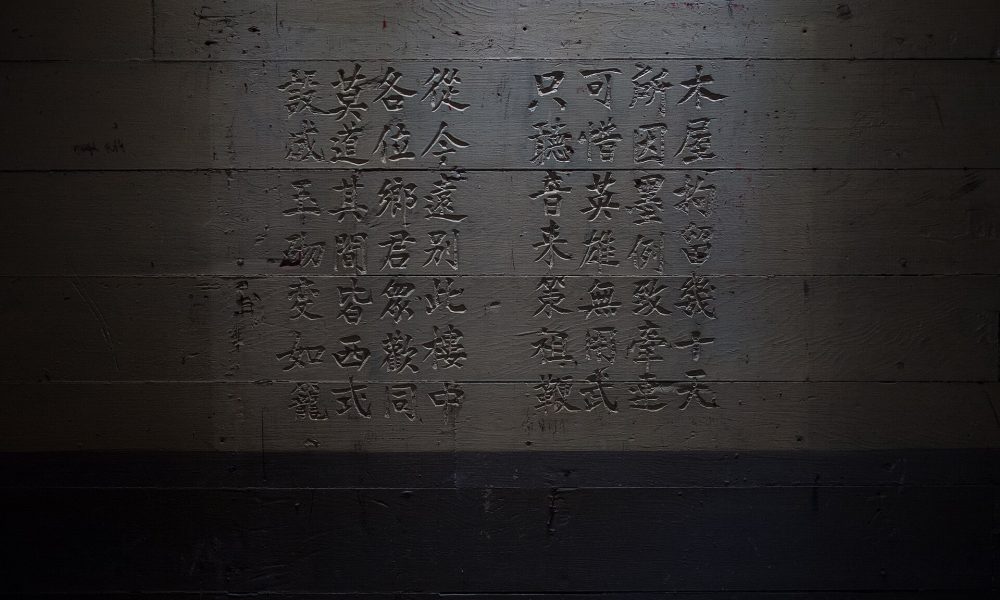
The second winner, Beth Lew-Williams’s “John Doe Chinaman: A Forgotten History of Chinese Life Under American Racial Law,” published by the Belknap Press of Harvard University Press, looks at the thousands of laws passed across the United States to discriminate against people of Chinese origin, starting with an 1852 California law taxing foreign gold miners. The prize committee called the book, which also chronicles resistance to such laws “a rich and vibrant history of unnamed (and misnamed) Chinese men and women and their world in the 19th-century Pacific West.”